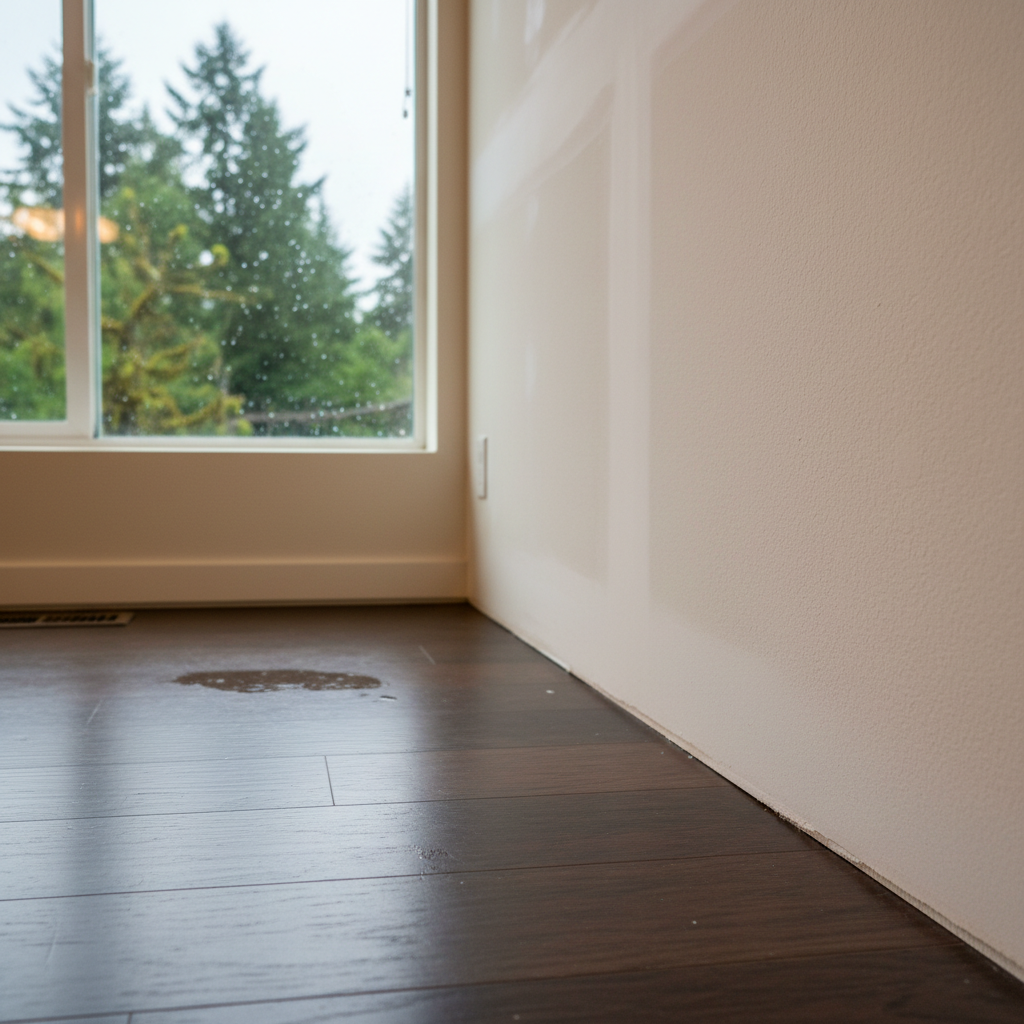
What's the real difference between 'water damage restoration' and 'water damage repair'? Aren't they the same thing?
No, they're not the same, and understanding this is super important. Think of it like this: restoration is the immediate cleanup and drying out process. It's stopping the bleeding, getting everything dry, and making sure mold doesn't start growing. That involves things like water extraction, setting up dehumidifiers and air movers, and often removing wet drywall or flooring. Basically, we're getting your home back to a stable, dry, and safe condition.
Repair, on the other hand, is what comes after. Once everything is dry and safe, repair is putting your house back together. That means replacing the drywall, painting, installing new flooring, fixing cabinets, or whatever else got damaged. Sometimes, if the damage is minor, you might just need restoration. But if it's significant, you'll definitely need both. We often handle both at Charis Restoration Solutions, but they really are two distinct phases.
My insurance company says I have 'sudden and accidental' coverage. What does that actually mean for water damage in Portland?
This is a big one, and it causes a lot of confusion. 'Sudden and accidental' generally means something unexpected happened quickly. Think a burst pipe, a washing machine hose breaking, or a sudden roof leak from a big storm. If your toilet supply line busts while you're at work and floods your bathroom, that's usually sudden and accidental.
What it typically *doesn't* cover is damage that happens over time due to neglect or lack of maintenance. So, if you've had a slow, unnoticed leak under your sink for months that finally rots out your cabinet, that's often not covered because it wasn't sudden. Or if your roof has been leaking for years and you never fixed it, and now you have a major ceiling collapse, that's usually a no-go for insurance. They expect you to maintain your home, after all. It's always best to call your agent immediately, but that's the general gist.
How long does the whole water damage process, from start to finish, usually take in our rainy Portland climate?
That's like asking how long a piece of string is, but I get why you're asking, especially with our constant drizzle. The drying process alone, the 'restoration' part, usually takes anywhere from three to seven days. That's with professional equipment running 24/7. Sometimes longer if it's a really saturated area or a tricky spot like a crawl space under an old Laurelhurst home.
Once it's dry, then you get into the repair phase. That can be a few days for something simple like replacing a section of drywall and paint, or several weeks to months for a major flood that requires new flooring, cabinets, and structural work. It really depends on how much damage there is. We always try to give you a realistic timeline upfront once we've assessed everything.
I'm worried about mold. How quickly does it grow after water damage, and what's the best way to prevent it?
Mold is a real concern, and it can start growing surprisingly fast, often within 24 to 48 hours in the right conditions. All it needs is moisture, a food source (like drywall, wood, or fabric), and a comfortable temperature, which our homes generally provide. That's why immediate action is critical.
The best way to prevent it is to get everything thoroughly dried out as quickly as possible. That means professional water extraction, powerful dehumidifiers, and air movers to create airflow. Don't just open a window and hope for the best; that's rarely enough. If things stay wet for more than 48 hours, you're at a high risk. If we suspect mold, we'll recommend testing and proper remediation protocols to make sure it's handled safely and completely.
My basement flooded, and now there's a weird smell. Is that just wet house smell, or something worse?
A weird smell after a flood is almost never 'just wet house smell.' It's usually a sign of microbial growth – mold or bacteria – or decaying organic matter. Even if you can't see mold, it could be growing behind walls, under flooring, or in your insulation. That musty, earthy smell is a classic indicator of mold.
Sometimes, if the water was from a sewer backup (Category 3 water), the smell could be from bacteria and sewage contamination, which is a serious health hazard. Either way, don't ignore it. That smell means there's still a problem. We use specialized equipment to detect moisture even where you can't see it, and we can identify the source of the odor to address it properly.
Do I really need to throw out all my wet belongings, or can some things be saved?
It depends a lot on what got wet and the type of water. For clean water (Category 1, like from a burst supply line), many non-porous items can often be cleaned and disinfected. Things like hard plastic toys, metal furniture, or certain ceramics might be salvageable.
Porous items, though, are a different story. Upholstered furniture, mattresses, carpets (especially with padding), books, and most clothing usually need to go, especially if they've been wet for more than 48 hours or if the water was contaminated (Category 2 or 3). These items absorb water and become breeding grounds for mold and bacteria, and it's almost impossible to clean them thoroughly enough to be safe. It's a tough call sometimes, but your health and safety are always the priority. We'll help you sort through what's salvageable and what's not.