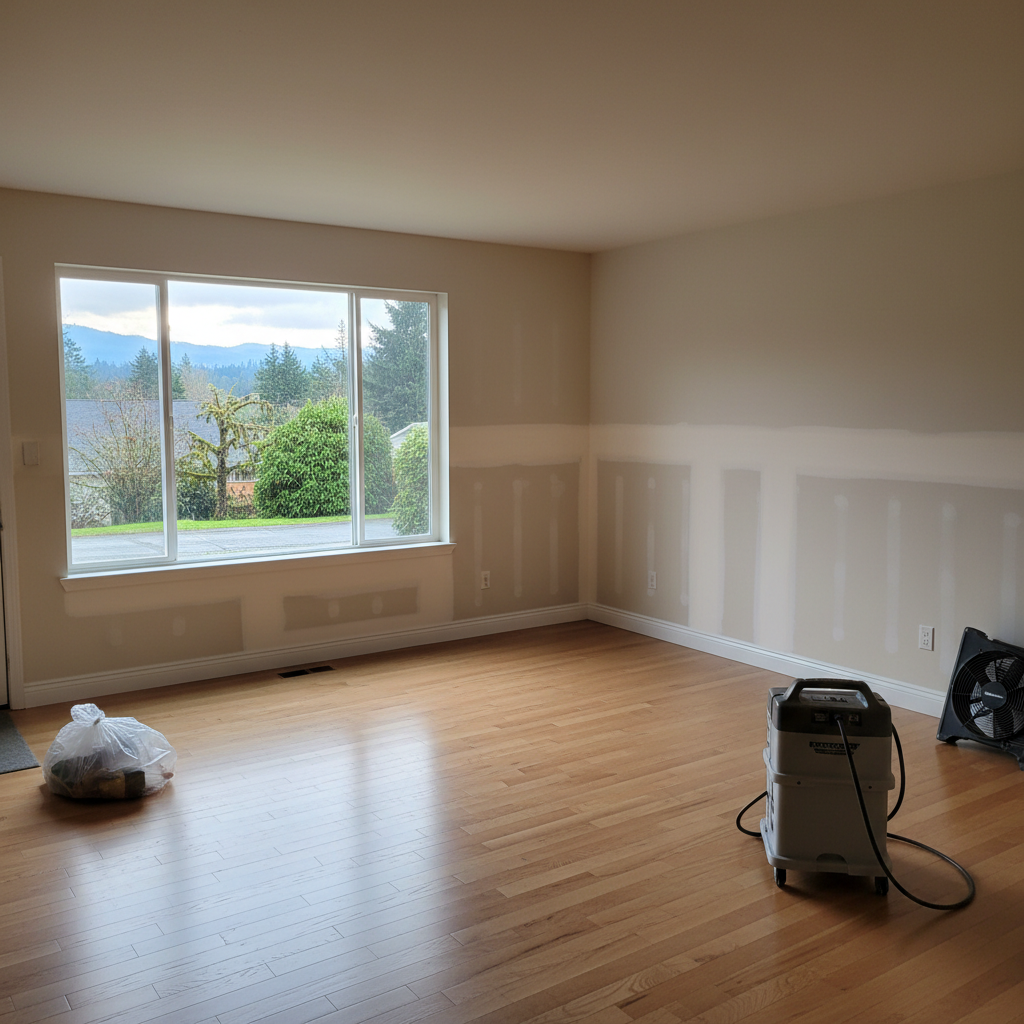
So, your home's got water damage. It's a real headache, I know. And the first thing on most folks' minds, right after 'how bad is it?', is 'how much is this gonna cost me?' That's a fair question, and honestly, there's a lot of misinformation out there. I'm here to give you the straight scoop on water damage restoration costs in Portland, based on what I've seen in the field for years.
What Drives the Cost of Water Damage Restoration?
You can't just throw out a single number for water damage. It's not like buying a gallon of milk, after all. So many variables go into the final price tag. Here's what we're always looking at:
- The Water's Category: This is huge.
- Category 1 (Clean Water): Think a burst pipe with fresh water, or an overflowing sink. This is the easiest to deal with and generally the least expensive. We're talking maybe $3.75 - $7.50 per square foot for basic drying and cleanup.
- Category 2 (Grey Water): This water is contaminated. It comes from things like a washing machine overflow or a toilet bowl (as long as there's no feces). It's got detergents, chemicals, or biological growth. It's more complex because we have to treat for potential contaminants. Costs can jump to $7.50 - $15 per square foot.
- Category 3 (Black Water): This is the nasty stuff – sewage backup, river flooding, or any water that's been sitting long enough to become highly contaminated. This requires specialized equipment, extensive sanitization, and often means we have to remove porous materials like drywall and carpet. This is where costs really climb, often $15 - $30+ per square foot, and sometimes even more depending on how bad it is.
- The Water Damage Class: This refers to how much moisture materials have absorbed and how quickly it's evaporating.
- Class 1: Only a small amount of water, affecting low-porosity materials. Minimal absorption.
- Class 2: Significant water, affecting entire rooms, wicking up walls.
- Class 3: This is the worst. Porous materials are saturated, water is coming from overhead, and evaporation rates are high.
- Class 4: Specialty drying situations, like hardwood floors or plaster.
- Size of the Affected Area: Simple math here. A small bathroom leak will be way less than a flooded basement. We usually price based on square footage, but also the volume of air that needs drying.
- Materials Affected: Drywall, carpet, insulation, subflooring, cabinets, hardwood floors... they all absorb water differently and have different drying or removal requirements. Hardwood floors, for example, often need specialized drying mats and can be tricky to save, adding to the cost.
- Duration of the Damage: How long has the water been there? The longer it sits, the more damage it does, and the higher the risk of mold. Mold remediation is a whole other ballgame and adds significantly to the bill. If it's been a few days, especially here in damp Portland where mold loves to grow, you're looking at more extensive work.
- Accessibility: Is the water behind walls, under floors, or in a tight crawl space? Hard-to-reach areas take more time and specialized tools.
The higher the class, the more equipment, monitoring, and time it takes, which, naturally, means more cost.
Typical Cost Ranges You Might See in Portland
Alright, let's get down to some numbers. Keep in mind, these are averages, and your specific situation could be higher or lower. These figures generally cover the initial mitigation and drying, not necessarily full reconstruction.
- Small, Clean Water Incident (e.g., toilet overflow, small pipe leak, 50-100 sq ft): You're probably looking at $1,500 - $4,000. This might involve setting up a few air movers, a dehumidifier, and some minor material removal.
- Medium-Sized Grey Water Incident (e.g., washing machine overflow in a utility room and adjacent hallway, 200-500 sq ft): This could range from $4,000 - $10,000. Expect more equipment, more extensive material removal (like carpet and pad), and antimicrobial treatments.
- Large Black Water or Extensive Clean Water Incident (e.g., basement flood from a burst main, extensive storm damage, 500-1500+ sq ft): This is where it gets serious. Costs can easily hit $10,000 - $30,000+. This involves significant demolition, specialized drying, extensive sanitization, and potentially mold prevention. If we're talking about a full sewage backup in an old Portland basement with a dirt floor, it can easily exceed these numbers.
These ranges are for the emergency services – getting the water out, drying things up, and preventing further damage. Reconstruction (putting new drywall, flooring, etc., back in) is a separate cost, though many companies, like Charis Restoration Solutions, can handle both.
What's Included in a Detailed Quote?
When Charis Restoration Solutions gives you a quote, or any reputable company for that matter, you should expect a breakdown. It's not just a lump sum. Here's what you'll typically see:
- Emergency Services: This covers the initial response, water extraction, and setting up drying equipment.
- Demolition/Removal: If materials are unsalvageable (like saturated carpet or drywall), this covers their removal and disposal.
- Drying Equipment Rental/Usage: Dehumidifiers, air movers, air scrubbers, specialized drying mats. This is often charged daily or weekly.
- Monitoring and Documentation: We're constantly checking moisture levels, temperature, and humidity. This isn't just busywork; it's crucial for ensuring proper drying and for insurance purposes.
- Antimicrobial Treatment: To prevent mold and mildew growth.
- Labor: The hours our technicians spend on site, setting up, monitoring, and dismantling equipment.
- Project Management: Coordinating with you, your insurance, and any other parties.
A good quote will be transparent about these line items. If it's just one big number, be wary.
How to Avoid Overpaying for Water Damage Restoration
Nobody wants to get ripped off, especially when you're already stressed. Here's how you can protect yourself:
- Act Fast: Seriously, the quicker you get professionals in, the less damage occurs, and the less it will cost. Every hour counts.
- Get Multiple Quotes: Don't just go with the first company you call, unless it's a true emergency and they're highly recommended. Get at least two, preferably three, detailed quotes. Compare them line by line.
- Understand the Scope: Make sure each quote covers the same scope of work. One company might quote for just drying, another for drying and demolition. Ask questions until you understand exactly what you're paying for.
- Check Credentials: Are they IICRC certified? Do they have good reviews? Are they licensed and insured in Oregon? This is non-negotiable.
- Don't Be Pressured: A reputable company won't strong-arm you into signing immediately. They'll explain everything clearly.
- Document Everything: Take photos and videos of the damage before any work starts. Keep copies of all communications and contracts. This is vital for insurance claims.
- Ask About Insurance: We work with insurance companies all the time. A good contractor can help you navigate the claims process, but remember, they work for you, not the insurance company.
Water damage is stressful enough without worrying about the bill. By understanding these factors and knowing what to look for, you can make informed decisions and get your home back to normal without breaking the bank. If you're in Portland and dealing with water, don't hesitate to reach out. We're here to help.