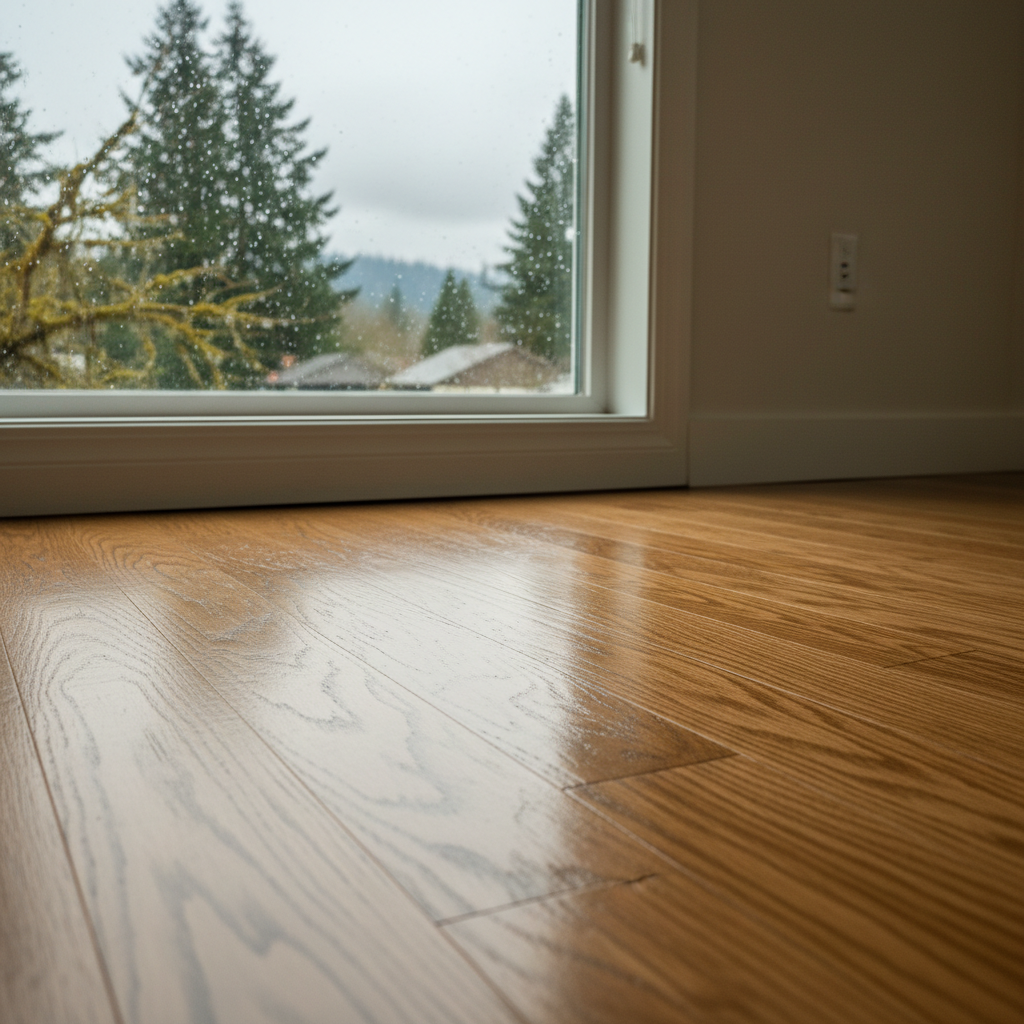
So, you've got water where it shouldn't be. Maybe it's a burst pipe, an overflowing toilet, or your basement just decided to become an indoor swimming pool after a heavy winter storm. It's a gut punch, I know. But before you freak out, let's talk about what you need to do, fast. Because with water, every minute counts.
Before the Flood: Prep Work Pays Off
Look, nobody expects a flood, but a little preparation can save you a lot of grief and money. Think of it as insurance, but for your sanity.
Know Your Shut-Offs: Seriously, this is huge. Do you know where your main water shut-off valve is? How about the shut-off for your water heater or individual fixtures? Find them *now* and make sure they're easy to access and turn. A few minutes finding this can prevent hours of damage.
Emergency Contacts: Keep a list of plumbers, electricians, and a good restoration company (like us at Charis Restoration Solutions, just saying) handy. Don't be scrambling for numbers when you're ankle-deep in water.
Insurance Info: Know your policy. What's covered? What's not? A quick call to your agent *before* an incident can clarify a lot and save you headaches later.
During the Flood: Act Fast, Think Smart
Okay, the water's flowing. Here's your immediate action plan.
Safety First, Always: Is the water near electrical outlets or appliances? If so, kill the power to that area from your main breaker box if it's safe to do so. Don't wade into electrically charged water. Also, watch out for slip hazards.
Stop the Source: This is priority number one. Find that shut-off valve and turn it. If it's a plumbing issue, try the fixture's shut-off first. If it's a roof leak, you might not be able to stop it immediately, but you can contain it.
Containment: Grab buckets, towels, anything you can to catch or block the water. If it's coming from above, move furniture and valuables out of the way. If it's a basement flood, try to create barriers with sandbags or old towels at doorways to prevent it from spreading.
Document Everything: Pull out your phone and start taking pictures and videos. Get wide shots, close-ups, show the source of the water, and document all damaged items. This is crucial for your insurance claim.
Now, here's where you decide if it's a DIY job or if you need to call in the cavalry. If it's a small, clean water spill (like a toilet overflow that didn't touch anything gross) and you can dry it out completely within 24-48 hours, you might be able to handle it yourself. We're talking a small puddle, not a flooded room.
When to Call a Pro (and Why It Matters)
Any significant amount of water, especially if it's been sitting for more than a few hours, needs professional attention. Here's why:
Hidden Damage: Water gets everywhere. Behind walls, under floors, into insulation. You might dry the surface, but moisture can linger, leading to mold, rot, and structural issues you can't see.
Mold Growth: Portland's a damp place, right? Our climate, especially with all the rain we get, is a perfect breeding ground for mold when there's a water intrusion. Mold can start growing in as little as 24-48 hours. It's not just ugly; it can be a health hazard.
Specialized Equipment: We've got industrial-strength dehumidifiers, air movers, moisture meters, and thermal imaging cameras. This isn't just about fans; it's about getting everything truly dry, deep down, and confirming it.
Insurance Claims: A reputable restoration company knows how to work with insurance companies. We document the damage properly, provide detailed estimates, and make sure you get what you're entitled to for the repairs.
Contaminated Water: If it's sewage (Category 3 water) or even grey water (Category 2, like from a washing machine overflow), you absolutely need pros. This stuff is full of bacteria and contaminants. Don't touch it yourself.
After the Cleanup: The Drying & Repair Phase
Whether you DIY a small spill or we come in for the big stuff, the drying process is critical. You need to get air circulating. Open windows if the outside humidity is lower than inside. Use fans. If you're using a professional service, we'll set up our equipment to create optimal drying conditions.
Once everything is bone dry (and we'll verify this with our meters), then comes the repair work. This could be replacing drywall, flooring, trim, or even more extensive structural repairs. Again, documentation is key here for your insurance claim.
Dealing with water damage is stressful, no doubt. But by knowing what to do and when to call for help, you can minimize the damage and get your home back to normal faster. Don't hesitate to reach out if you're ever in a bind. We've seen it all, from leaky roofs in the Alameda neighborhood to flooded basements in Sellwood, and we're here to help Portland homeowners get back on their feet.